Dave Brubeck
·
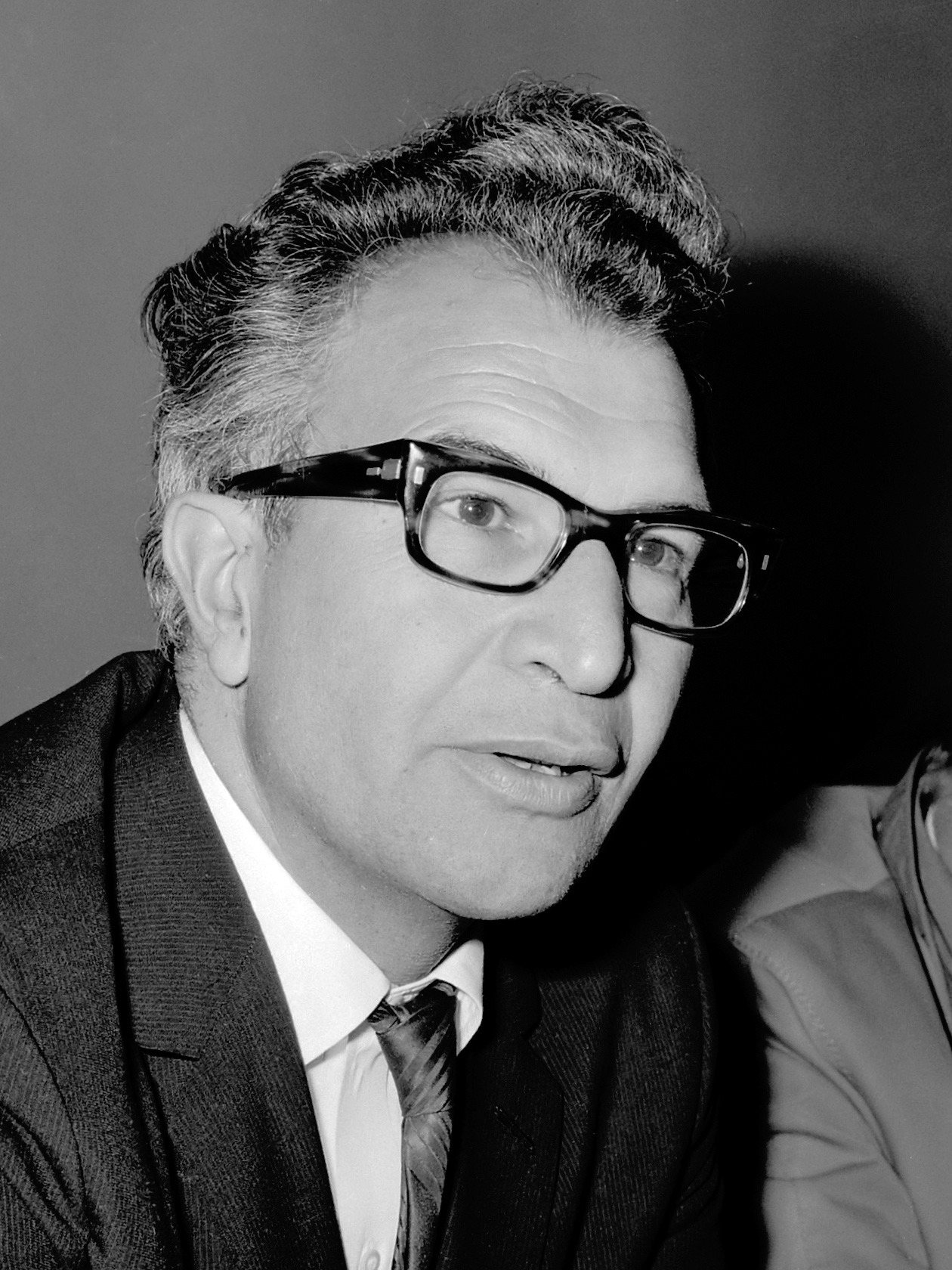
In 1954 a jazz pianist landed on the cover of Time magazine — only the second ever to do so — and a good part of the jazz world has been arguing about him ever since. Dave Brubeck was that popular, and that success made him a target. Among the fifty players in jazz journalist Gene Rizzo's ranking of the greatest jazz pianists, Brubeck comes in at number 28, and Rizzo frames the whole entry around a hard truth: "Nothing arouses more suspicion in jazz circles than commercial success."
This profile covers who Dave Brubeck was, how a rancher's son trained by a classical avant-gardist became jazz's biggest crossover star, why his odd-meter experiments matter, and the recordings — plus scores — to start with today.
The short answer: Dave Brubeck (1920–2012) was an American pianist and composer from Concord, California, whose classically schooled taste for polytonality and unusual time signatures produced some of the best-selling — and most debated — jazz of the 20th century.
Life and career
Brubeck grew up on a large California cattle ranch, the son of a rancher father and a concert-pianist mother, and was playing in local bands by thirteen. At the College of the Pacific he switched his major from zoology to music, and postgraduate study with the composers Arnold Schoenberg and Darius Milhaud gave him the appetite for bold harmony that would define his work.
An experimental 1946 octet inspired by Milhaud met audience indifference and folded after three lean years. Stardom arrived with the quartet he formed in 1951, built around the cool, melancholic alto saxophone of Paul Desmond. The 1954 Time cover sealed the group's popularity, and their blend of dissonant counterpoint and catchy tunes sold strongly for Fantasy and then Columbia. Brubeck disbanded the classic quartet in 1967 to concentrate on large-scale choral and orchestral composition, and kept touring — often with his sons — into old age. He died in 2012, one day short of his 92nd birthday.
Style and influence
Brubeck's calling card was rhythm. Where most jazz lived in 4/4, he built whole tunes on odd meters — the 5/4 of "Take Five," the shifting 9/8 of "Blue Rondo à la Turk" — and stacked keys against each other in a blocky, declamatory attack that could sound more like a modern classical pianist than a swing player. Critics who valued a light, swinging touch heard heaviness; admirers heard structure and daring.
His lineage runs through Europe more than through jazz. Rizzo notes that Brubeck owes little to Tatum, Wilson, or Powell, and names Lennie Tristano as his closest equivalent — both men drawing on modern classical technique to rethink harmony. Whatever the purists said, "The Duke" and "In Your Own Sweet Way" entered the standard repertoire, and generations of players first felt an odd time signature swing because of him.
Essential recordings
Brubeck's catalogue is large, but the classic quartet's Columbia years hold the essential performances:
| Recording | Label / year | Why it matters |
|---|---|---|
| Time Out | Columbia, 1959 | The landmark odd-meter album, home to "Take Five" and "Blue Rondo à la Turk" — one of the best-selling jazz records ever |
| Jazz Goes to College | Columbia, 1954 | The live album that built his campus following and captured the quartet's improvising fire |
| Brubeck Time | Columbia, 1955 | Introduced "In Your Own Sweet Way," one of his most-covered originals |
| Time Further Out | Columbia, 1961 | A sequel that pushed the meter experiments further, from 6/4 to 9/8 |
Play Dave Brubeck's music
Brubeck is a rare jazz giant whose signature pieces are also his own compositions, so you can play the very tunes that made him famous. "Take Five" is the obvious start — count it in five and the rest follows — before tackling the trickier "Blue Rondo à la Turk" or the warm ballad "In Your Own Sweet Way." Several are open on MuseScore below, in arrangements from approachable to advanced.
Where Dave Brubeck ranks among jazz pianists
Rizzo places Brubeck at 28, a rank shadowed by the old argument over whether commercial success and serious jazz can coexist. See the full list in our guide to the best jazz pianists of all time, and compare Brubeck with the pianist Rizzo calls his closest equivalent, Lennie Tristano, and with the introspective Bill Evans. To understand the harmony under his tunes, start with our guide to jazz chord progressions.
Frequently asked questions
Did Dave Brubeck write "Take Five"?
No — "Take Five" was written by his alto saxophonist Paul Desmond, though it appeared on Brubeck's 1959 album Time Out and became the quartet's signature. Brubeck's own famous originals include "The Duke," "In Your Own Sweet Way," and "Blue Rondo à la Turk."
Why was Dave Brubeck controversial among jazz fans?
His enormous popularity made some critics suspicious, and his blocky, classically influenced attack struck them as heavy rather than swinging. Rizzo notes that in jazz circles commercial success itself arouses suspicion — a bias Brubeck spent his career facing down.
What should I listen to first?
Start with Time Out (1959) for "Take Five" and "Blue Rondo à la Turk," then hear the live Jazz Goes to College (1954) to catch the quartet stretching out. Together they show both sides of his appeal.
See scores on MuseScore
Rate this article
Be the first to rate this articleSee more

Virtual piano
Play a piano in your browser — use your mouse, touch, or computer keyboard. Real piano sound, and a free Pro tab with up to 61 keys, sustain, MIDI keyboard input, a metronome, and recording.

Keyboard ear trainer
Hear a note, then click the matching key on the on-screen piano — with instant feedback, the right key revealed on a miss, and a running score.

Metronome
Set the tempo and time signature and practice in steady time, or open the Pro tab for subdivisions, per-beat accents, a speed trainer, a gap trainer, click sounds, and recording yourself under the click — all free, right in your browser.

Scale finder
Pick a root note and a scale type — major, minor, the modes, pentatonic, blues — and see every note light up on the piano, spelled out for you.

Chord finder
Pick a root note and a chord type — major, minor, sevenths, suspended and more — and see the chord on the piano, named and spelled out for you.

Note finder
Pick a note and see every place it sits on the piano keyboard, named — and tap any key to hear it.