Horace Silver
·
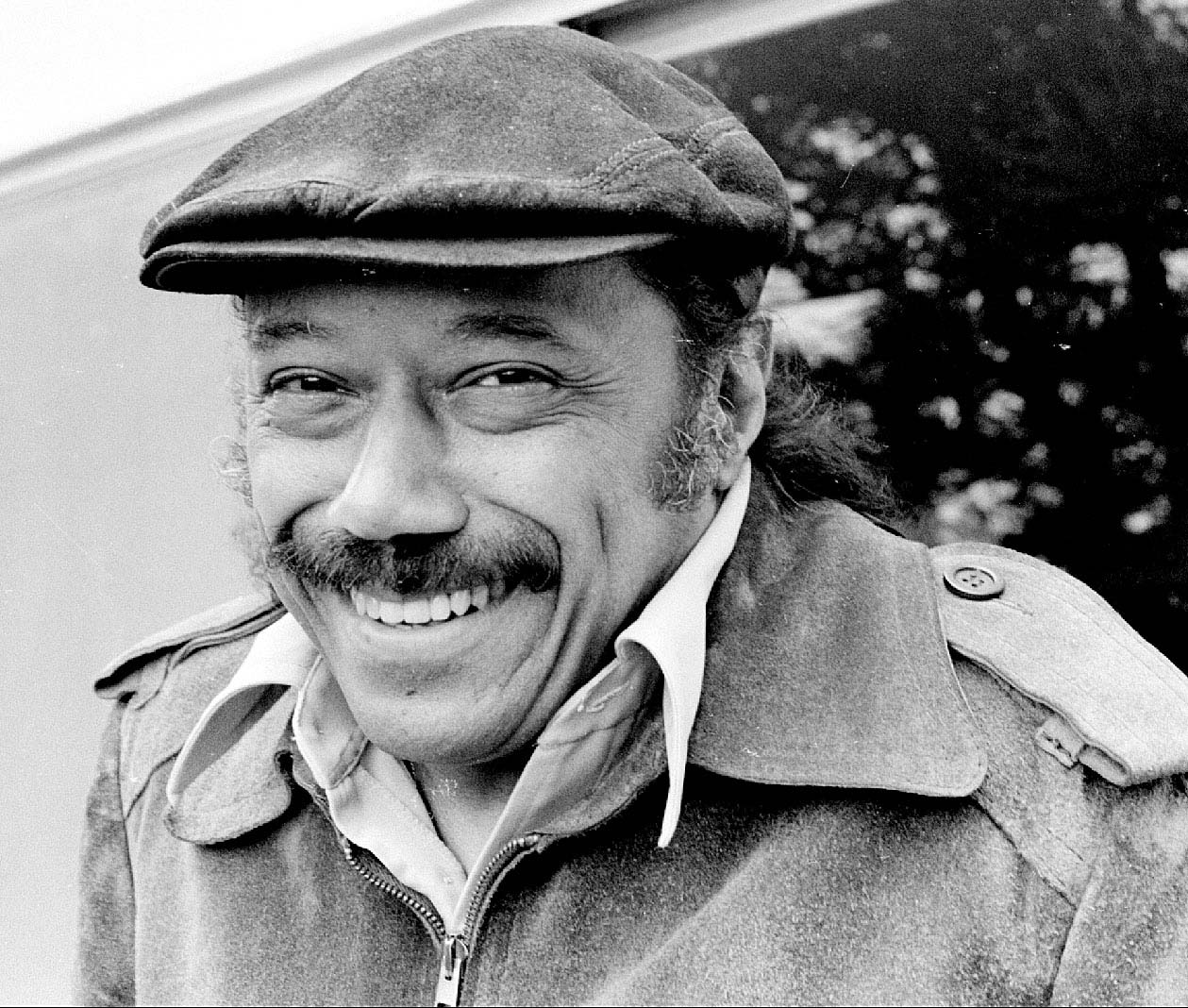
Play the opening vamp of "Song for My Father" for almost any musician and they will name the composer before the second bar. That tune is Horace Silver's, and it is only one of a dozen he wrote into the permanent jazz repertoire. Silver lands at number 18 in jazz journalist Gene Rizzo's ranking of the greatest jazz pianists — the self-taught architect of hard bop, the earthy, gospel-and-blues answer to the cool jazz that dominated the early 1950s.
This profile covers who Horace Silver was, how a self-taught kid from Connecticut built the hard-bop blueprint, what made his funky, tuneful style so influential, and the recordings and scores to start with.
The short answer: Horace Silver (1928–2014) was an American pianist, composer and bandleader who codified hard bop and soul jazz, leading a run of hard-swinging quintets and writing standards like "Song for My Father" and "Señor Blues."
Life and career
Silver was born in Norwalk, Connecticut in 1928 and was essentially self-taught. He learned by slowing Charlie Parker, Bud Powell and Thelonious Monk records to half speed and working through a basic harmony book, and he taught himself enough tenor saxophone from Lester Young records to gig on it in high school. His break came in 1951, when he made his first recordings with Stan Getz; his tune "Split Kick," with its Latin tinge, already hinted at where he was headed.
After a pair of Blue Note trio sessions in 1952–53, Silver co-founded the Jazz Messengers with drummer Art Blakey, then left by 1956 to lead his own groups. His quintets became a finishing school for a generation of horn players — Freddie Hubbard, Woody Shaw, Randy Brecker, Junior Cook, Wayne Shorter and Joe Henderson all passed through the frontline. His 1970s expansions into larger ensembles (the Silver 'n' Brass series) and the later Rockin' with Rachmaninoff drew a cooler response from longtime fans. He died in 2014.
Style and influence
Silver's sound is instantly identifiable: a percussive, blues-drenched right hand over funky, gospel-inflected vamps, everything built to swing hard and stick in the ear. Where cool jazz reached for restraint, Silver reached for the church and the barroom, and that directness became the template for hard bop. Rizzo affectionately calls him "the future Hard Bop Grandpop," a nickname Silver later borrowed for an album title.
His deepest influence, though, is as a composer. Because his tunes are so singable and so grooved, they became standards that players everywhere still call at jam sessions, and the soul-jazz movement of the 1960s grew directly out of his blueprint. The debt he owed to Parker, Powell and Monk he repaid by handing the next generation a whole vocabulary.
Essential recordings
Silver's Blue Note run is remarkably consistent; these four show the hard-bop architect at full strength:
| Recording | Label / year | Why it matters |
|---|---|---|
| Six Pieces of Silver | Blue Note, 1956 | Home to "Señor Blues," the Latin-tinged hit that made his quintet's name |
| Blowin' the Blues Away | Blue Note, 1959 | Contains "Sister Sadie" and "Peace" — hard bop at its most joyous and its most tender |
| Song for My Father | Blue Note, 1965 | His best-selling album and most famous tune; its bass vamp later surfaced in a Steely Dan hit |
| Silver 'n' Brass | Blue Note, 1975 | The most fully realized of his 1970s larger-ensemble experiments |
Play Horace Silver's music
Because Silver wrote for players, his tunes are among the most satisfying in the hard-bop book to learn. Start with the melody and vamp of "Song for My Father," then try the funky strut of "Señor Blues," the ballad-tempo "Nica's Dream," or the blues line "Doodlin'." Several are open on MuseScore below in arrangements from lead sheets to full transcriptions.
Where Horace Silver ranks among jazz pianists
Rizzo places Silver 18th and treats him as the founding figure of hard bop. See the full list in our guide to the best jazz pianists of all time, and compare him with two players who carried the soul-jazz and hard-bop torch, Bobby Timmons and Cedar Walton. To understand the harmony that gives his tunes their punch, our guide to jazz chord progressions is the natural next step.
Frequently asked questions
What is Horace Silver's most famous song?
"Song for My Father," the title track of his 1965 album, is his best-known composition — its two-note bass vamp is one of the most recognizable in jazz and was later echoed in Steely Dan's "Rikki Don't Lose That Number." "Señor Blues" and "The Preacher" run close behind.
Did Horace Silver invent hard bop?
No single person invented it, but Silver is one of its principal architects. Alongside Art Blakey he pushed jazz back toward blues, gospel and a hard-swinging beat in the mid-1950s, and his tuneful, groove-based writing became the style's model.
Was Horace Silver self-taught?
Largely, yes. He learned piano by slowing down records by Charlie Parker, Bud Powell and Thelonious Monk and working through a harmony book, and even taught himself tenor saxophone as a teenager.
See scores on MuseScore
Rate this article
Be the first to rate this articleSee more

Virtual piano
Play a piano in your browser — use your mouse, touch, or computer keyboard. Real piano sound, and a free Pro tab with up to 61 keys, sustain, MIDI keyboard input, a metronome, and recording.

Keyboard ear trainer
Hear a note, then click the matching key on the on-screen piano — with instant feedback, the right key revealed on a miss, and a running score.

Metronome
Set the tempo and time signature and practice in steady time, or open the Pro tab for subdivisions, per-beat accents, a speed trainer, a gap trainer, click sounds, and recording yourself under the click — all free, right in your browser.

Scale finder
Pick a root note and a scale type — major, minor, the modes, pentatonic, blues — and see every note light up on the piano, spelled out for you.

Chord finder
Pick a root note and a chord type — major, minor, sevenths, suspended and more — and see the chord on the piano, named and spelled out for you.

Note finder
Pick a note and see every place it sits on the piano keyboard, named — and tap any key to hear it.