John Bunch
·
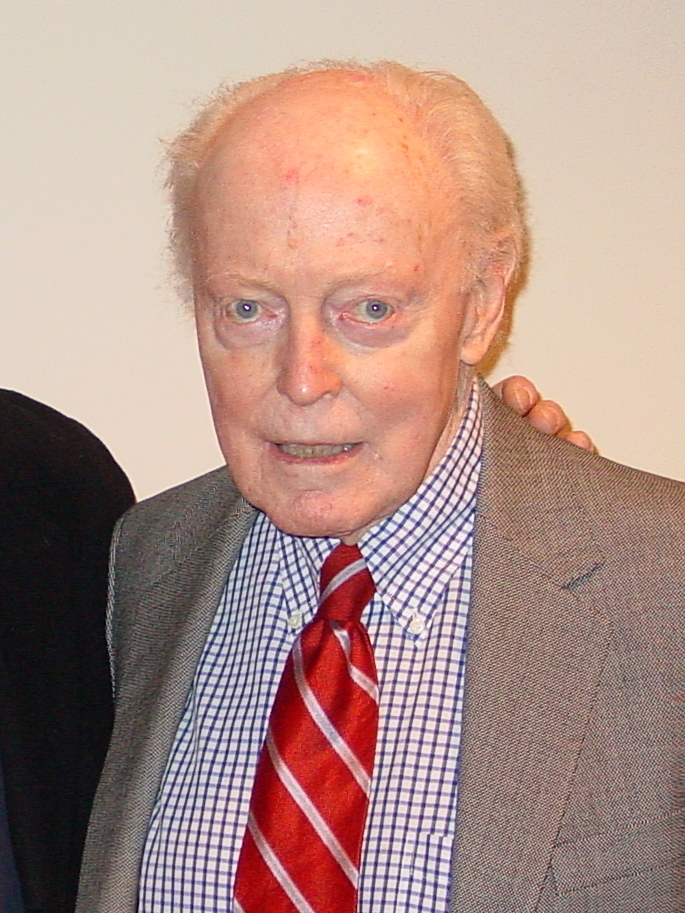
Some jazz pianists arrive fully formed in their twenties. John Bunch spent decades as one of the most trusted sidemen in the business before he finally stepped out as a leader in his fifties. He places 35th in jazz journalist Gene Rizzo's ranking of the greatest jazz pianists, and Rizzo's phrase for him — "a committed mainstreamer" — captures both his virtue and the reason he stayed under-celebrated for so long. Bunch never chased a revolution; he simply played swing piano with taste, warmth and a craftsman's care, night after night, for more than half a century.
This profile covers who John Bunch was, how a Tipton, Indiana kid became the pianist of choice for Benny Goodman and Tony Bennett, what defined his style, and the recordings and scores to start with today.
The short answer: John Bunch (1921–2010) was an American mainstream-jazz pianist who bridged the elegance of Teddy Wilson and the drive of Bud Powell, working for years as a big-band and vocal accompanist before recording under his own name late in life.
Life and career
Bunch was born in Tipton, Indiana, in 1921 and took his first professional jobs at twelve, after only two years of study. World War II interrupted everything: in 1944 his bomber was shot down over Germany on his seventeenth mission, and he spent the rest of the war as a prisoner. That experience stayed with him and later shaped his 1999 album World War II Love Songs. After the war he studied speech at the University of Indiana before committing fully to music.
From there he built a resume most pianists would envy, playing in the big bands of Woody Herman, Maynard Ferguson, Buddy Rich and Benny Goodman — including Goodman's celebrated 1962 tour of the Soviet Union. He surfaced in the 1960s at New York rooms like Eddie Condon's, served as Tony Bennett's accompanist and music director from 1966 to 1972, and joined the swing-revival World's Greatest Jazz Band in 1976. Only in 1975 did he cut his first date as a leader, John's Bunch, and he kept recording and performing almost until his death in 2010.
Style and influence
Bunch made the post-war transition gracefully, and you can hear both of his models in a single set. His ballads stay Wilsonian — poised, singing, unhurried — while his up-tempo playing leans on the cleaner, more angular attack that Bud Powell made the modern standard. The result is a pianist equally comfortable in a 1938 swing tune and a bebop line, without ever sounding like a museum piece.
What set him apart was repertoire. Rizzo notes that "Bunch generally takes the road less traveled," favoring neglected material over the overplayed songbook. On A Special Alliance (2002) he even reclaimed his own tune "Don't Remind Me" — long reduced to background Muzak — as a gentle bossa nova. That curatorial instinct, more than any single innovation, is his signature.
Essential recordings
| Recording | Label / year | Why it matters |
|---|---|---|
| John's Bunch | Famous Door, 1975 | His first date as a leader, with Al Cohn, Urbie Green and Milt Hinton — the mainstream at full strength |
| World War II Love Songs | LRC, 1999 | A personal, ballad-heavy set rooted in his own wartime experience as a POW |
| A Special Alliance | Arbors, 2002 | Late-career Bunch reclaiming neglected tunes, including his own "Don't Remind Me" |
Play John Bunch's music
Bunch was an interpreter first, so the way into his world is the swing-era songbook he loved and the occasional original he wrote. Start with his own "Don't Remind Me," then try the kind of ballad standards he shaped so carefully at the keyboard. A few are open on MuseScore below, in arrangements from approachable to advanced.
Where John Bunch ranks among jazz pianists
Rizzo places Bunch at number 35, in the company of the durable mainstream stylists who kept swing alive long after the spotlight moved on. See the full list in our guide to the best jazz pianists of all time, and compare Bunch with the two models he drew on, Teddy Wilson and Bud Powell, as well as fellow Tony Bennett pianist Ralph Sharon. To understand the harmony under his ballads, our guide to jazz chord progressions is a good starting point.
Frequently asked questions
Who did John Bunch play with?
Bunch was a first-call sideman for the big bands of Woody Herman, Maynard Ferguson, Buddy Rich and Benny Goodman, and served as Tony Bennett's accompanist and music director from 1966 to 1972. He later joined the World's Greatest Jazz Band.
Why did John Bunch record as a leader so late?
He spent most of his career in demand as an accompanist and band pianist, which left little room for leader dates. His first, John's Bunch, appeared in 1975, when he was in his fifties, and he made many of his finest albums in the decades that followed.
What kind of jazz pianist was John Bunch?
A mainstream swing player. His ballads recall Teddy Wilson's elegance and his faster playing borrows Bud Powell's cleaner bebop lines, all delivered with a taste for overlooked material rather than the obvious hits.
See scores on MuseScore
Rate this article
Be the first to rate this articleSee more

Virtual piano
Play a piano in your browser — use your mouse, touch, or computer keyboard. Real piano sound, and a free Pro tab with up to 61 keys, sustain, MIDI keyboard input, a metronome, and recording.

Keyboard ear trainer
Hear a note, then click the matching key on the on-screen piano — with instant feedback, the right key revealed on a miss, and a running score.

Metronome
Set the tempo and time signature and practice in steady time, or open the Pro tab for subdivisions, per-beat accents, a speed trainer, a gap trainer, click sounds, and recording yourself under the click — all free, right in your browser.

Scale finder
Pick a root note and a scale type — major, minor, the modes, pentatonic, blues — and see every note light up on the piano, spelled out for you.

Chord finder
Pick a root note and a chord type — major, minor, sevenths, suspended and more — and see the chord on the piano, named and spelled out for you.

Note finder
Pick a note and see every place it sits on the piano keyboard, named — and tap any key to hear it.