Teddy Wilson
·
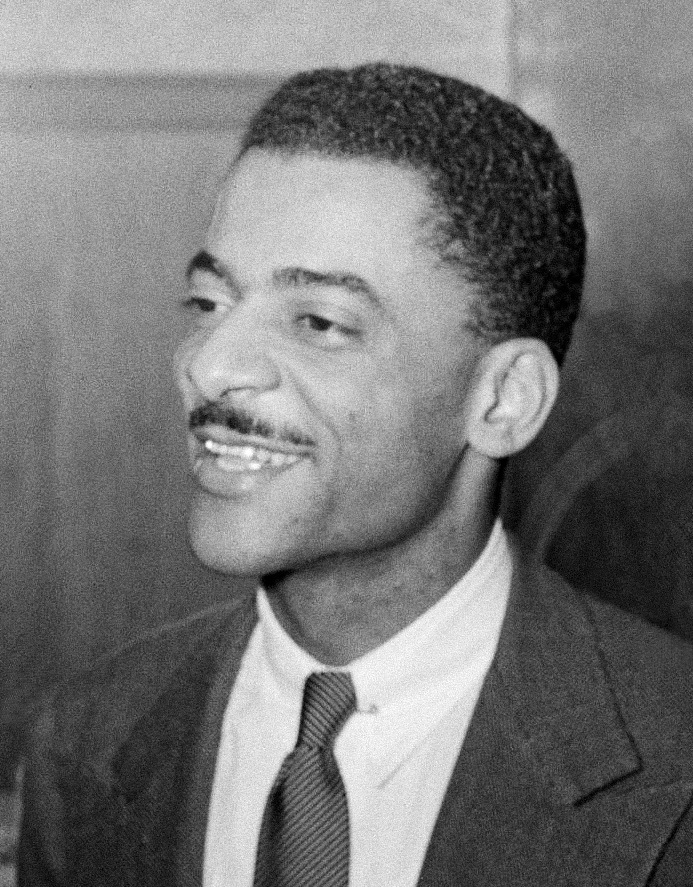
When Benny Goodman put Teddy Wilson on a public stage in the mid-1930s, it was one of the first times a Black and a white musician performed together before a paying American audience — and Wilson earned the spot on pure elegance. He is the pianist who made swing sound refined. Wilson ranks number 23 in jazz journalist Gene Rizzo's list of the greatest jazz pianists, and Rizzo credits him with moving "the goalposts of jazz piano" for a whole generation.
This profile covers who Teddy Wilson was, how a college-trained pianist became the definitive swing stylist, what his famous "walking tenths" actually meant, and the recordings and scores to explore.
The short answer: Teddy Wilson (1912–1986) was an American pianist whose graceful, refined swing style — built on chromatic right-hand lines over "walking tenths" in the left — made him hugely influential and a key figure in integrating jazz performance.
Life and career
Wilson was born in Austin, Texas in 1912 and grew up in Tuskegee, Alabama, where he studied piano and violin at Tuskegee Institute before taking up general music at Talladega College. He began in Midwest territorial bands, then heard Art Tatum during a stop in Toledo, Ohio in the early 1930s — an encounter that reshaped a style previously rooted in Earl Hines's "trumpet" approach.
After work with Louis Armstrong, Jimmie Noone and Benny Carter, he made his first solo records in 1934. The journalist Helen Oakley championed him and persuaded Benny Goodman to hire him despite the era's racial barriers; the Goodman Trio with Gene Krupa, and later the quartet adding Lionel Hampton, became jazz legend. From 1935 to 1942 Wilson led small-group dates featuring the young Billie Holiday. Later he became Juilliard's first jazz piano teacher. He died in 1986.
Style and influence
Wilson's trademark was structural as much as decorative: a left hand outlining the harmony in a series of beautifully placed "walking tenths," against agile, chromatic right-hand lines that could run two melodies at once. Everything was clean, poised and swinging — the sound of swing-era piano at its most polished. Rizzo prizes above all "the grace and refinement of his playing."
His influence ran forward and back. He absorbed Earl Hines and Art Tatum, and in turn shaped Bud Powell — for whom Wilson was an early model — along with Al Haig, Hank Jones and George Shearing. Rizzo's verdict is that Wilson moved the instrument's goalposts "forevermore," even if no disciple ever quite matched his elegance.
Essential recordings
Wilson's legacy lives in his solo sides, his Goodman small groups and the Holiday dates he led:
| Recording | Label / year | Why it matters |
|---|---|---|
| The Complete RCA Victor Small Group Recordings (Benny Goodman) | RCA, 1935–39 | The trio and quartet recordings that made Wilson and the format famous |
| Teddy Wilson & His All Stars (with Billie Holiday) | Columbia, 1935–38 | The small-group dates that launched Billie Holiday |
| Teddy Wilson — His Piano and His Orchestra | 1938–39 | Wilson leading his own big band, with the piano front and center |
| Alone | Storyville, 1983 | A late solo recital that shows his elegance undimmed decades on |
Play Teddy Wilson's music
Wilson was an interpreter, and the way into his style is through the standards he refined. Try the ballad "Body and Soul," the trio warhorse "China Boy," or his signature reading of "Sweet Lorraine," and listen for the left-hand tenths under the melody. A few are open on MuseScore below in arrangements from approachable to advanced.
Where Teddy Wilson ranks among jazz pianists
Rizzo places Wilson 23rd and treats him as a swing-era touchstone. See the full list in our guide to the best jazz pianists of all time, and compare him with the virtuoso who reshaped his style, Art Tatum, and the swing pioneer he grew out of, Earl Hines. To learn how those left-hand tenths are built, start with our guide to jazz chord progressions.
Frequently asked questions
What are Teddy Wilson's "walking tenths"?
It is his signature left-hand device: instead of a standard stride pattern, Wilson outlined a tune's harmony with a moving series of tenths — notes ten scale steps apart — which gave his playing a smooth, singing bass line beneath his right-hand melodies.
Did Teddy Wilson play with Benny Goodman?
Yes. Wilson was a central member of the Benny Goodman Trio (with drummer Gene Krupa) and later the quartet (adding vibraphonist Lionel Hampton), and his hiring made him one of the first Black musicians to perform publicly alongside white musicians.
Why is Teddy Wilson important?
He defined the refined swing-piano style and influenced the pianists who followed, from Bud Powell to Hank Jones. He also broke a color barrier in performance and later became Juilliard's first jazz piano teacher.
See scores on MuseScore
Rate this article
Be the first to rate this articleSee more

Virtual piano
Play a piano in your browser — use your mouse, touch, or computer keyboard. Real piano sound, and a free Pro tab with up to 61 keys, sustain, MIDI keyboard input, a metronome, and recording.

Keyboard ear trainer
Hear a note, then click the matching key on the on-screen piano — with instant feedback, the right key revealed on a miss, and a running score.

Metronome
Set the tempo and time signature and practice in steady time, or open the Pro tab for subdivisions, per-beat accents, a speed trainer, a gap trainer, click sounds, and recording yourself under the click — all free, right in your browser.

Scale finder
Pick a root note and a scale type — major, minor, the modes, pentatonic, blues — and see every note light up on the piano, spelled out for you.

Chord finder
Pick a root note and a chord type — major, minor, sevenths, suspended and more — and see the chord on the piano, named and spelled out for you.

Note finder
Pick a note and see every place it sits on the piano keyboard, named — and tap any key to hear it.