Jelly Roll Morton
·
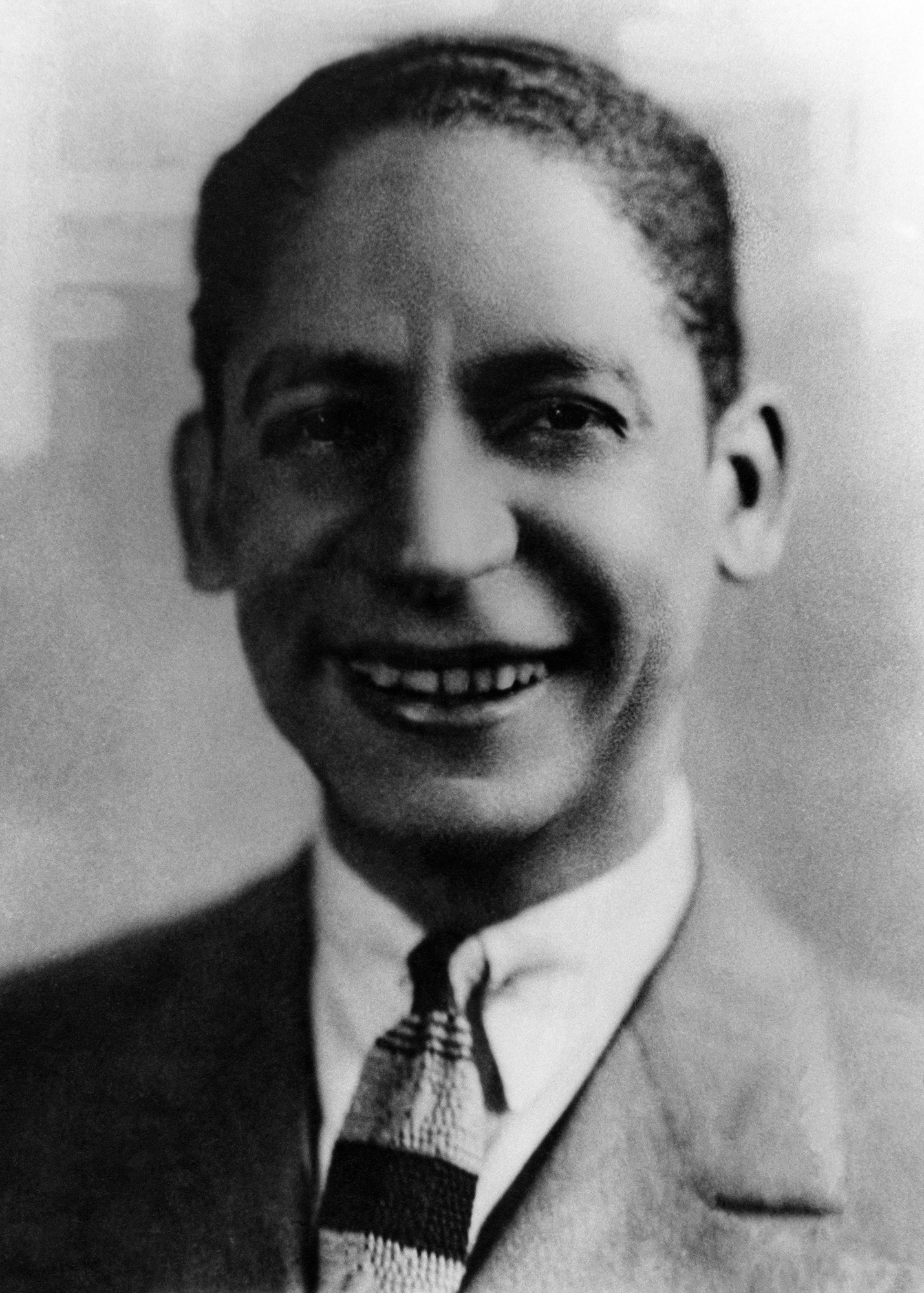
Jelly Roll Morton famously claimed he invented jazz in 1902 — a boast so outsized that historians have spent a century sorting the truth from the self-promotion. He ranks 43rd in jazz journalist Gene Rizzo's list of the greatest jazz pianists, and Rizzo does not let the bragging slide, calling him "a braggart's braggart." Yet strip away the mythology and a real pioneer remains: a New Orleans pianist and composer whose ragtime-rooted playing swung with a freedom no one before him had managed.
This profile covers who Jelly Roll Morton really was, how much of his own legend to believe, what made his piano playing genuinely new, and the recordings and scores to start with today.
The short answer: Jelly Roll Morton (c. 1890–1941) was an American pianist, composer and bandleader from New Orleans who bridged ragtime and early jazz, best known for his tightly arranged Red Hot Peppers recordings and the standard "King Porter Stomp."
Life and career
He was born Ferdinand Joseph Lamothe in New Orleans around 1890 — not the 1885 he later claimed. Morton pushed his birth year back to strengthen his story that he had created jazz as a teenager, one of many embellishments from a relentless self-promoter. His Creole upbringing exposed him early to opera and light concert music, and he was a stronger classical technician than he is usually given credit for. The one pianist he ever praised was the Storyville fixture Tony Jackson.
His early life mixed music with pool hustling, gambling and vaudeville before music became his main pursuit in the 1920s. He moved to Chicago in 1923 and, in 1926–27, led the Red Hot Peppers through a landmark series of septet and trio sides, recorded with hand-picked, carefully rehearsed players. As swing arrived in the 1930s his star faded; he spent his last years chasing composition royalties and died in California in 1941. In 1938 he recorded a sprawling autobiography for the Library of Congress that remains a priceless oral history of early jazz.
Style and influence
Morton's piano was anchored in ragtime, but where ragtime marched in strict time, Morton swung. His solos featured nimble passagework, a rocking left hand, and frequent "breaks" — those suspended moments where the band drops out and the pianist fills the gap. He treated a composition as an arrangement, thinking like a bandleader even when playing alone.
That restlessness had a downside; Rizzo jokes that "Morton's solos make more stops than a cross-town bus," a busyness that could work against the music. His direct influence on later pianists was marginal, though his piano rolls were studied by a young Mary Lou Williams, and figures like Earl Hines were likely aware of his work. His importance is historical: he was among the first to show that jazz piano could breathe.
Essential recordings
| Recording | Label / year | Why it matters |
|---|---|---|
| The Red Hot Peppers sessions | Victor / Bluebird, 1926–27 | His masterpiece as composer-bandleader — carefully arranged early jazz that still sounds alive |
| "King Porter Stomp" | 1920s | His most enduring composition, later a swing-era hit for Fletcher Henderson and Benny Goodman |
| The Library of Congress Recordings | Library of Congress, 1938 | Part performance, part oral history — Morton narrating and playing the birth of jazz |
Play Jelly Roll Morton's music
Morton was a prolific composer, and his tunes are the best way to feel how ragtime turned into jazz under his hands. Start with "King Porter Stomp," his most famous piece, then try the driving "Black Bottom Stomp" and the intricate "The Pearls." All three are open on MuseScore below, in arrangements from approachable to advanced.
Where Jelly Roll Morton ranks among jazz pianists
Rizzo places Morton at number 43, honoring his role as a pioneer while noting the limits of his influence. See the full list in our guide to the best jazz pianists of all time, and compare Morton with the next generation who built on the early foundations — Earl Hines, the stride master Fats Waller, and Mary Lou Williams, who studied his piano rolls. To understand the harmony beneath early jazz, our guide to jazz chord progressions is a good starting point.
Frequently asked questions
Did Jelly Roll Morton really invent jazz?
No. Morton claimed to have created jazz in 1902, but the music grew out of many musicians and traditions in New Orleans and beyond. He was, however, a genuine early pioneer and one of jazz's first important composers.
When was Jelly Roll Morton born?
Around 1890. Morton himself claimed 1885 to support his story of inventing jazz as a teenager, but biographers place his birth closer to 1890. He died in 1941.
What should I listen to first?
Start with the 1926–27 Red Hot Peppers sessions for his finest arranged jazz, then "King Porter Stomp," his most influential composition, and the 1938 Library of Congress recordings for the history in his own voice.
See scores on MuseScore
Rate this article
Be the first to rate this articleSee more

Virtual piano
Play a piano in your browser — use your mouse, touch, or computer keyboard. Real piano sound, and a free Pro tab with up to 61 keys, sustain, MIDI keyboard input, a metronome, and recording.

Keyboard ear trainer
Hear a note, then click the matching key on the on-screen piano — with instant feedback, the right key revealed on a miss, and a running score.

Metronome
Set the tempo and time signature and practice in steady time, or open the Pro tab for subdivisions, per-beat accents, a speed trainer, a gap trainer, click sounds, and recording yourself under the click — all free, right in your browser.

Scale finder
Pick a root note and a scale type — major, minor, the modes, pentatonic, blues — and see every note light up on the piano, spelled out for you.

Chord finder
Pick a root note and a chord type — major, minor, sevenths, suspended and more — and see the chord on the piano, named and spelled out for you.

Note finder
Pick a note and see every place it sits on the piano keyboard, named — and tap any key to hear it.