Kenny Barron
·
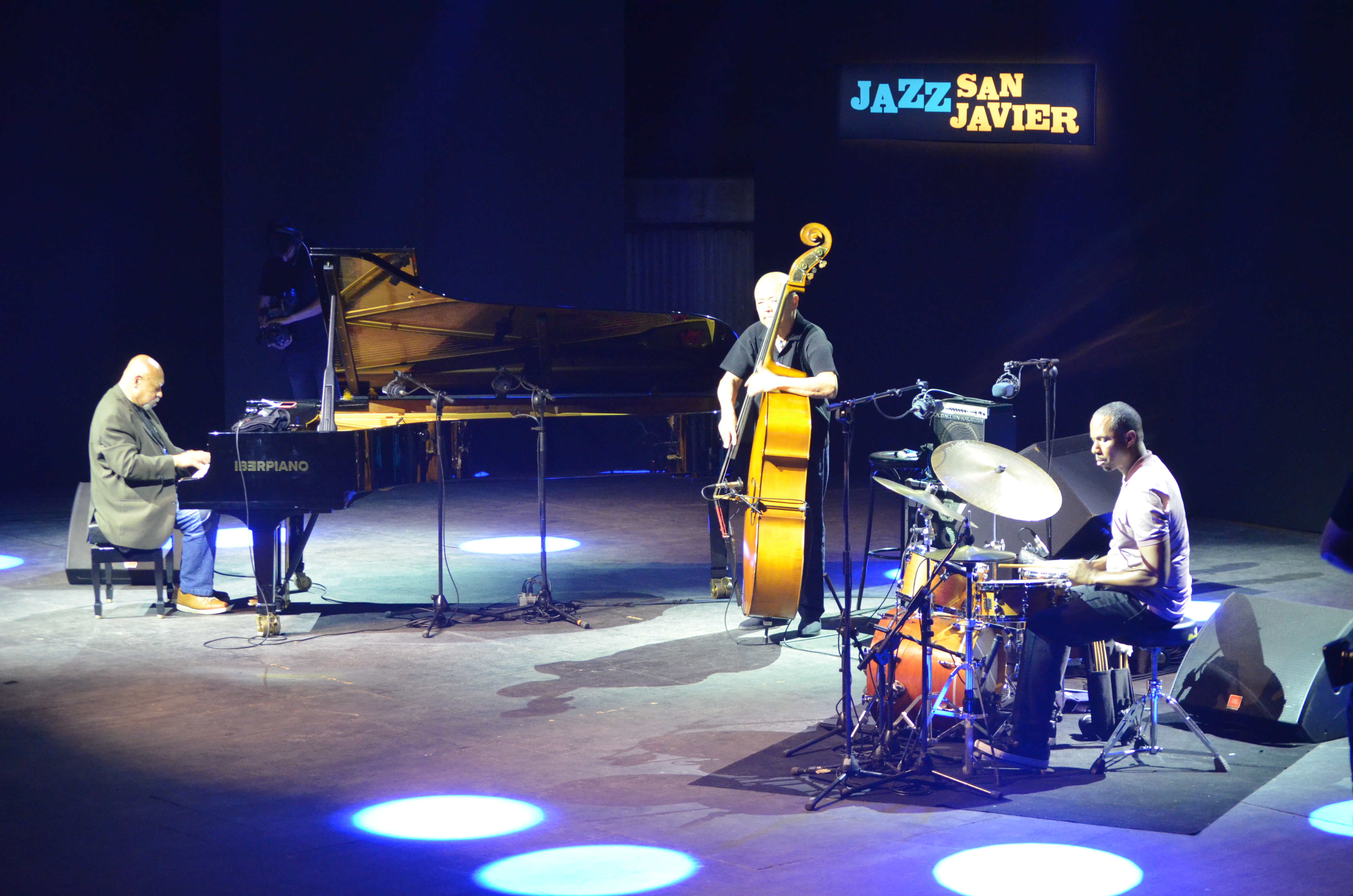
Few living pianists command the respect Kenny Barron does. A student of bebop who has spent six decades absorbing everything that came after it, he ranks 36th in jazz journalist Gene Rizzo's list of the greatest jazz pianists — and if anything the intervening years have only strengthened the case, since Barron is still touring, recording and drawing standing ovations in 2026. Rizzo's admiration turns on a single quality: in Barron's playing, he writes, "the twain of old and new jazz traditions meet seamlessly."
This profile covers who Kenny Barron is, how a Philadelphia teenager became one of jazz's most valued pianists and teachers, what defines his style, and the recordings and scores to start with today.
The short answer: Kenny Barron (born 1943) is an American pianist, composer and educator whose unhurried, dramatically shaped playing bridges the bebop tradition and modern jazz, prized equally as a soloist, an accompanist and a risk-taking collaborator.
Life and career
Barron was born in Philadelphia in 1943 and began piano at six, studying for years with the sister of pianist Ray Bryant. He played his first professional job at fourteen and, after early work with Philly Joe Jones and Jimmy Heath, moved to New York in 1961. As a member of bebop's third generation he became one of the most sought-after sidemen of his era, holding long chairs with Dizzy Gillespie, Freddie Hubbard, Yusef Lateef and Ron Carter across the 1960s and 1970s.
In 1980 he co-founded Sphere, the Thelonious Monk-repertory quartet, with saxophonist Charlie Rouse. He has also been a devoted educator — a full-time instructor at Rutgers University since 1973 — while building a distinguished catalog under his own name. Now in his eighties, Barron remains active on the international stage, a rare direct link to the founders of modern jazz still performing at the top of his powers.
Style and influence
Barron's playing is patient and self-possessed. Rather than crowd a solo with information, he builds a dramatic arc, letting phrases breathe until the music arrives somewhere earned. His single-note lines carry the clean logic of his admitted idol, Tommy Flanagan, but he can just as easily open the throttle into a rolling, McCoy Tyner-like polyrhythmic attack when a tune calls for it.
He is at his most compelling as a collaborator, and especially when sparring with an opposing aesthetic — trading ideas with vibraphonist Joe Locke, or shadowing Stan Getz on the saxophonist's valedictory sessions. Rizzo prizes exactly that even temperament: an "unhurried and self-possessed" musician whose compositions, among them "Voyage" and "Phantoms," have entered the wider repertoire.
Essential recordings
| Recording | Label / year | Why it matters |
|---|---|---|
| People Time (with Stan Getz) | Emarcy, 1991 | An intimate duo farewell recorded near the end of Getz's life; Barron's accompaniment at its most sensitive |
| But Beautiful (with Joe Locke) | SteepleChase, 1991 | Barron sparring with an opposing voice — the collaborative setting where he thrives |
| Four in One (Sphere, with Charlie Rouse) | Elektra Musician, 1982 | The debut of Sphere, his Monk-repertory quartet — his command of the tradition he helped keep alive |
Play Kenny Barron's music
Barron is a composer as well as an interpreter, so his own tunes are the best doorway into his sound. Start with "Voyage," his most widely played piece, then explore the darker, more searching "Phantoms." Both are open on MuseScore below, in arrangements from approachable to advanced.
Where Kenny Barron ranks among jazz pianists
Rizzo places Barron at number 36, among the modern mainstream players who carry bebop's language forward. See the full list in our guide to the best jazz pianists of all time, and compare Barron with his idol Tommy Flanagan, the modal master McCoy Tyner, and Ray Bryant, whose sister was his first teacher. To dig into the harmony behind his tunes, our guide to jazz chord progressions is a good starting point.
Frequently asked questions
Is Kenny Barron still alive?
Yes. Born in 1943, Barron remains active as of 2026, continuing to tour and record internationally. He is a multiple Grammy nominee and NEA Jazz Master widely regarded as one of the greatest living jazz pianists.
What is Kenny Barron known for?
For an unhurried, beautifully paced style that bridges bebop and modern jazz, for his long sideman tenures with Dizzy Gillespie and others, for co-founding the Monk-repertory group Sphere, and for decades of teaching at Rutgers University.
What should I listen to first?
Start with the duo album People Time (1991) with Stan Getz for his accompanist's touch, then his own compositions "Voyage" and "Phantoms" to hear him as a writer and soloist.
See scores on MuseScore
Rate this article
Be the first to rate this articleSee more

Virtual piano
Play a piano in your browser — use your mouse, touch, or computer keyboard. Real piano sound, and a free Pro tab with up to 61 keys, sustain, MIDI keyboard input, a metronome, and recording.

Keyboard ear trainer
Hear a note, then click the matching key on the on-screen piano — with instant feedback, the right key revealed on a miss, and a running score.

Metronome
Set the tempo and time signature and practice in steady time, or open the Pro tab for subdivisions, per-beat accents, a speed trainer, a gap trainer, click sounds, and recording yourself under the click — all free, right in your browser.

Scale finder
Pick a root note and a scale type — major, minor, the modes, pentatonic, blues — and see every note light up on the piano, spelled out for you.

Chord finder
Pick a root note and a chord type — major, minor, sevenths, suspended and more — and see the chord on the piano, named and spelled out for you.

Note finder
Pick a note and see every place it sits on the piano keyboard, named — and tap any key to hear it.