André Previn
·
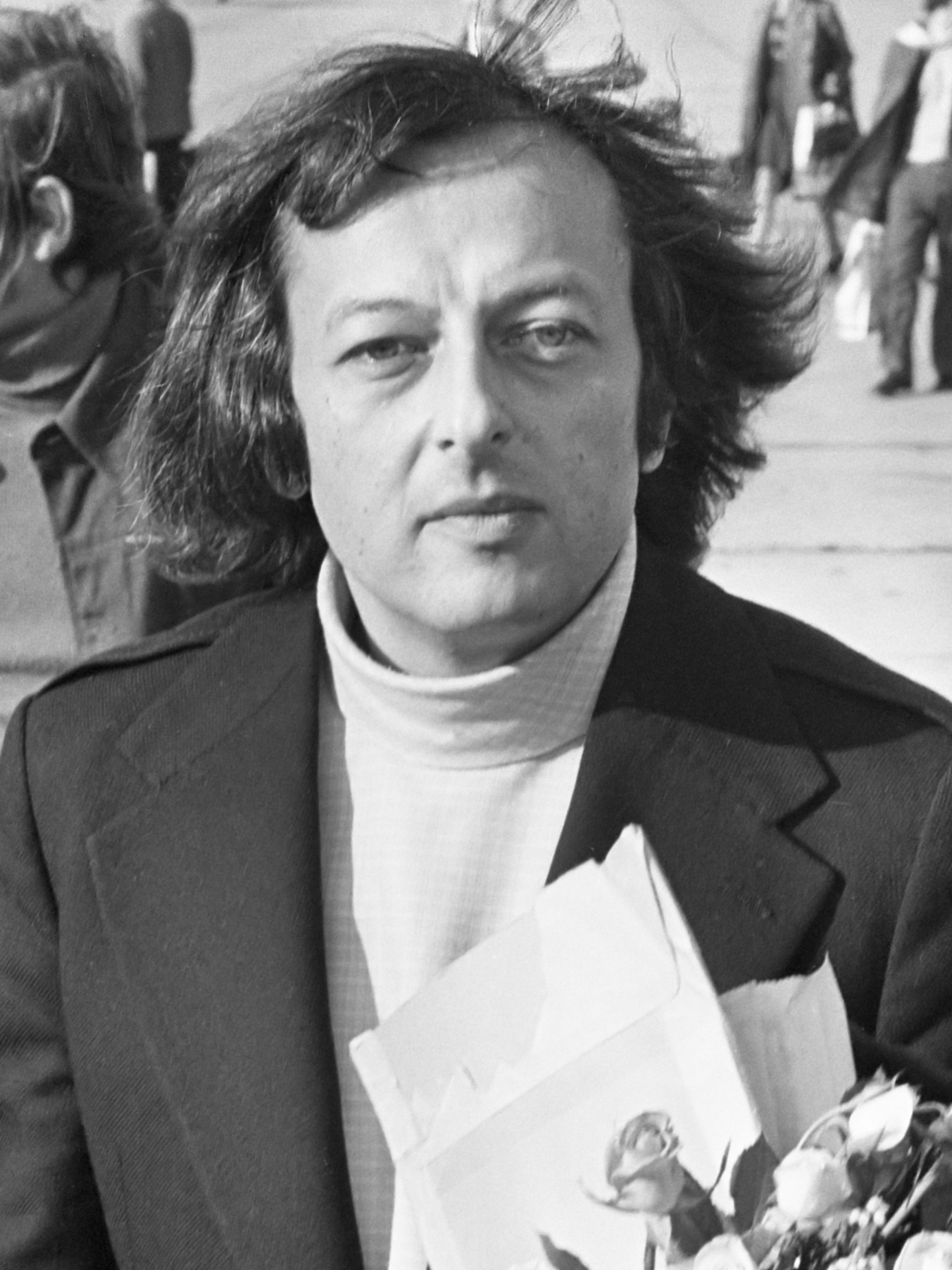
André Previn lived several musical lives at once — Hollywood composer, concert-hall conductor, and, not least, a jazz pianist of real distinction. In jazz journalist Gene Rizzo's ranking of the fifty greatest jazz piano players, Previn places seventh, admired for a brilliant, classically informed touch and a blues undercurrent that kept his jazz honest.
This profile covers who André Previn was, how a refugee from Nazi Germany became a triple-threat musician, what defined his jazz playing, and the recordings — plus scores — to start with today.
The short answer: André Previn (1929–2019) was a German-born American pianist, composer and conductor whose crystal-clear articulation and symphonic harmony — leavened by a genuine feel for the blues — made his jazz records, especially his Broadway interpretations, some of the best-selling in the music.
Life and career
Previn was born in Berlin in 1929 and was a budding virtuoso as a child. He was expelled from the Berlin Conservatory in 1938 because he was Jewish, after which his family fled Nazi Germany for Los Angeles. As a teenager, his study of Art Tatum and Fats Waller was already good enough that he substituted on a film soundtrack for the classical pianist José Iturbi in a scene needing a jazz solo Iturbi could not play.
He won four Academy Awards for film scoring — for Gigi (1958), Porgy and Bess (1959), Irma la Douce (1963) and My Fair Lady (1964) — and his 1956 jazz-trio album of My Fair Lady tunes, with drummer Shelly Manne and bassist Leroy Vinnegar, became one of the best-selling jazz LPs ever. In the mid-1960s he left Hollywood to build a major career as a concert conductor and composer, but he kept playing jazz on records and in clubs until late in life. He died in 2019.
Style and influence
Previn's jazz playing is marked by virtuoso brilliance and razor-clear articulation, with a harmonic palette borrowed from twentieth-century symphonists like Ravel and Prokofiev. He absorbed the wit of West Coast pianists such as Russ Freeman and Pete Jolly, and — crucially — kept a foot in the blues. As Rizzo puts it, "there is a blues subtext in much of his playing."
What makes him unusual is the balance. Previn approached classical music and jazz with equal reverence and confidence, and rather than sounding like a classical pianist slumming, he built a jazz style that was personal and immediately recognizable. His success also helped legitimize the jazz-trio treatment of Broadway scores for a wide audience.
Essential recordings
| Recording | Label / year | Why it matters |
|---|---|---|
| My Fair Lady | Contemporary, 1956 | The trio album with Shelly Manne and Leroy Vinnegar; one of the best-selling jazz LPs ever |
| Pal Joey | Contemporary, 1957 | A follow-up that extended his Broadway-to-jazz formula |
| Gigi | Contemporary, 1958 | Jazz-trio versions of the Lerner and Loewe score he also scored on film |
| King Size! | Contemporary, 1958 | A standards trio date with Red Mitchell and Frank Capp showing his straight-ahead side |
Play André Previn's music
Previn was above all an interpreter, so the way in is through the show tunes he transformed. Start with "I Could Have Danced All Night" and "On the Street Where You Live" from his hit My Fair Lady album, then his own bluesy original "Like Young." A few of these pieces are open on MuseScore below, in arrangements from approachable to advanced.
Where André Previn ranks among jazz pianists
Rizzo places Previn seventh, between Benny Green and Tommy Flanagan, honoring a jazz life pursued alongside two other full careers. See the full list in our guide to the best jazz pianists of all time, and compare his classically shaded touch with Art Tatum, whom he studied as a boy. To hear how his harmony works, start with our guide to jazz chord progressions.
Frequently asked questions
Was André Previn a jazz or a classical musician?
Both, at the highest level. He won Academy Awards for film scores, led major symphony orchestras as a conductor, and recorded acclaimed jazz-trio albums — approaching each with equal seriousness.
What is André Previn's most famous jazz album?
His 1956 trio album of My Fair Lady songs, with Shelly Manne and Leroy Vinnegar, which became one of the best-selling jazz LPs of all time.
What should I listen to first?
Start with My Fair Lady (1956) for the crossover hit, then King Size! (1958) to hear him on straight-ahead standards.
See scores on MuseScore
Rate this article
Be the first to rate this articleSee more

Virtual piano
Play a piano in your browser — use your mouse, touch, or computer keyboard. Real piano sound, and a free Pro tab with up to 61 keys, sustain, MIDI keyboard input, a metronome, and recording.

Keyboard ear trainer
Hear a note, then click the matching key on the on-screen piano — with instant feedback, the right key revealed on a miss, and a running score.

Metronome
Set the tempo and time signature and practice in steady time, or open the Pro tab for subdivisions, per-beat accents, a speed trainer, a gap trainer, click sounds, and recording yourself under the click — all free, right in your browser.

Scale finder
Pick a root note and a scale type — major, minor, the modes, pentatonic, blues — and see every note light up on the piano, spelled out for you.

Chord finder
Pick a root note and a chord type — major, minor, sevenths, suspended and more — and see the chord on the piano, named and spelled out for you.

Note finder
Pick a note and see every place it sits on the piano keyboard, named — and tap any key to hear it.