George Shearing
·
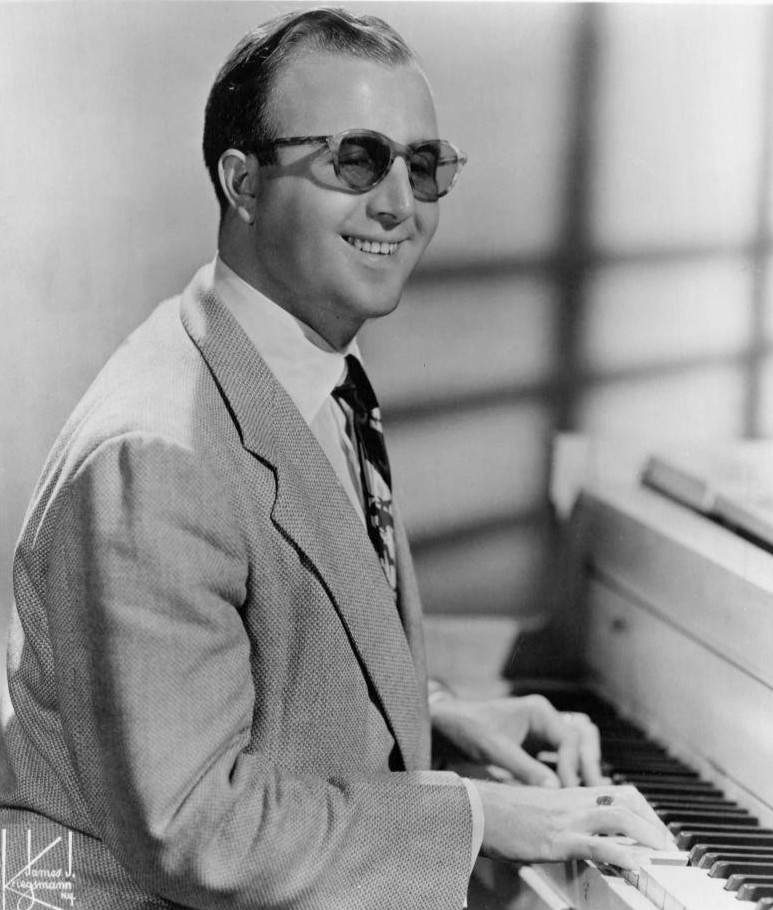
The gentle, chiming block chords of the George Shearing Quintet were one of the most recognizable sounds in mid-century jazz. In jazz journalist Gene Rizzo's ranking of the fifty greatest jazz piano players, Shearing places ninth, honored for a harmonic sense so refined that his chords move like the independent voices of a Bach chorale.
This profile covers who George Shearing was, how a blind boy from London became an American jazz star, what defined his "locked-hands" sound, and the recordings — plus scores — to start with today.
The short answer: George Shearing (1919–2011) was a British-born American pianist, blind from birth, whose "locked-hands" block-chord style and gift for melody produced the hit quintet sound of the 1950s and the standard "Lullaby of Birdland."
Life and career
Shearing was born congenitally blind in Battersea, London, in 1919, the youngest of nine children, and was picking out tunes at the piano by age three. His only formal training was classical piano and theory at the Linden Lodge School for the Blind, between the ages of twelve and sixteen; he then turned down university scholarships to work professionally, starting in London pubs and moving up to recordings and BBC radio.
During World War II he impressed visiting American stars including Fats Waller and Coleman Hawkins, and in 1947 he crossed to New York, where he drew notice on 52nd Street. In 1949 he formed the quintet — piano, vibes, guitar, bass and drums — that made him a major attraction. After disbanding it in 1978 he pared down to an intimate piano-and-bass duo and recorded a series of admired albums with singer Mel Tormé. He died in 2011.
Style and influence
Shearing's calling card was the "locked-hands" block-chord style he adapted from pianist Milt Buckner: the melody harmonized in four-part chords, with the right hand's top note doubled an octave below and the vibes and guitar shadowing the line. The effect was lush and instantly identifiable. But his deeper gift was voice leading — Rizzo notes that in his chords "each voice is a singable, independent entity," moving like a Bach chorale.
A master ballad player who stayed close to the melody, Shearing drew on Art Tatum and the swing tradition and admired the elegant Hank Jones, whose tone his own resembled. His composition "Lullaby of Birdland" became one of the most-recorded tunes in the jazz songbook, and his refined approach influenced how later pianists thought about chord voicing.
Essential recordings
| Recording | Label / year | Why it matters |
|---|---|---|
| "September in the Rain" | MGM, 1949 | The quintet's breakthrough hit that made his block-chord sound famous |
| Latin Escapade | Capitol, 1956 | The quintet in a Latin-jazz vein that became one of his signatures |
| An Evening with George Shearing and Mel Tormé | Concord, 1982 | Grammy-winning duo work from his later, pared-down years |
| On a Clear Day | Concord, 1980 | A refined small-group date from his acoustic Concord period |
Play George Shearing's music
Shearing left one tune everyone knows, plus a repertoire of standards he voiced beautifully. Start with his own "Lullaby of Birdland," then his breakthrough recording of "September in the Rain," and his early original "Conception." A few of these pieces are open on MuseScore below, in arrangements from approachable to advanced.
Where George Shearing ranks among jazz pianists
Rizzo places Shearing ninth, just behind Tommy Flanagan and among the most harmonically refined players on the list. See where he sits in our guide to the best jazz pianists of all time, and compare his chordal thinking with the harmonic worlds of Bill Evans and Art Tatum. To learn the voice leading behind his sound, start with our guide to jazz chord progressions.
Frequently asked questions
What is George Shearing's most famous song?
"Lullaby of Birdland," which he composed in 1952. It became one of the most-recorded standards in jazz and is still a staple for singers and instrumentalists alike.
What is the "Shearing sound"?
His "locked-hands" block-chord style: the melody harmonized in full four- and five-part chords, doubled an octave lower and shadowed by vibes and guitar, giving the quintet its lush, chiming signature.
What should I listen to first?
Start with "September in the Rain" (1949) for the classic quintet, then the Grammy-winning duo album with Mel Tormé (1982) for his intimate later style.
See scores on MuseScore
Rate this article
Be the first to rate this articleSee more

Virtual piano
Play a piano in your browser — use your mouse, touch, or computer keyboard. Real piano sound, and a free Pro tab with up to 61 keys, sustain, MIDI keyboard input, a metronome, and recording.

Keyboard ear trainer
Hear a note, then click the matching key on the on-screen piano — with instant feedback, the right key revealed on a miss, and a running score.

Metronome
Set the tempo and time signature and practice in steady time, or open the Pro tab for subdivisions, per-beat accents, a speed trainer, a gap trainer, click sounds, and recording yourself under the click — all free, right in your browser.

Scale finder
Pick a root note and a scale type — major, minor, the modes, pentatonic, blues — and see every note light up on the piano, spelled out for you.

Chord finder
Pick a root note and a chord type — major, minor, sevenths, suspended and more — and see the chord on the piano, named and spelled out for you.

Note finder
Pick a note and see every place it sits on the piano keyboard, named — and tap any key to hear it.