Bill Evans
·
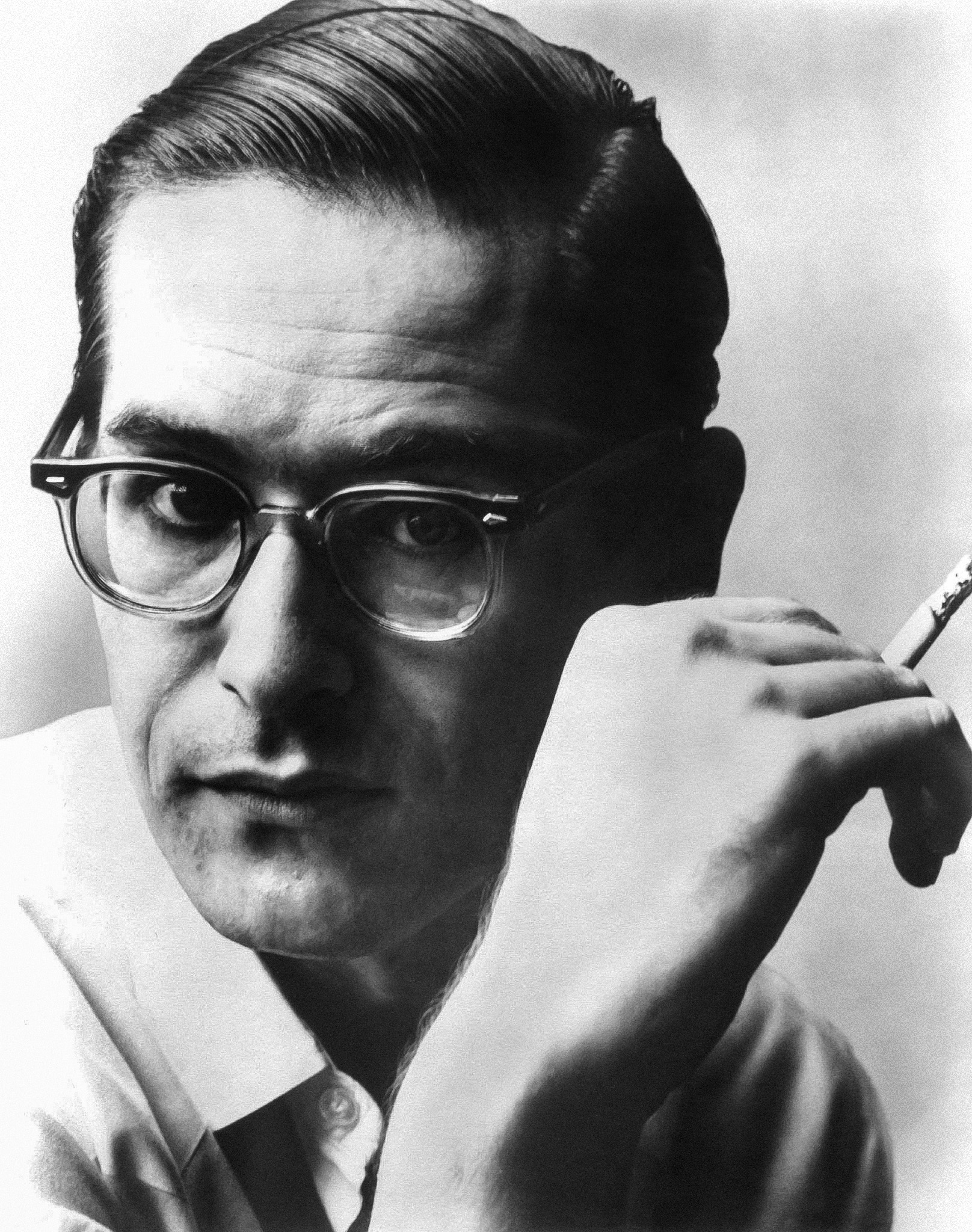
Few musicians changed the sound of the piano as quietly and completely as Bill Evans. In jazz journalist Gene Rizzo's ranking of the fifty greatest jazz piano players, Evans places second, and his influence on how the instrument is voiced — the hushed touch, the floating harmony, the conversation among three equal players — reaches into almost every pianist working today.
This profile covers who Bill Evans was, how a classically trained New Jersey pianist reinvented the jazz trio, what made his harmony so distinctive, and the recordings — plus scores — to start with today.
The short answer: Bill Evans (1929–1980) was an American pianist from Plainfield, New Jersey, whose singing tone, impressionist harmony and interactive trio concept made him one of the most emulated and beloved jazz pianists of all time.
Life and career
Evans was born in Plainfield, New Jersey, in 1929, and began piano at six, adding violin and flute as a boy. He earned degrees from Southeastern Louisiana College, served in the Army from 1951 to 1954, and studied near Chicago with the composer-theorist George Russell, whose modal ideas shaped his thinking. His first album as a leader, New Jazz Conceptions, appeared on Riverside in 1956.
In 1958 he joined Miles Davis, and his playing is central to Kind of Blue (1959), the best-selling jazz album ever made. But his lasting achievement was his own trio — especially the group with bassist Scott LaFaro and drummer Paul Motian, which turned the rhythm section from accompanist into equal partner. LaFaro's death in a 1961 car accident devastated him; later trios featured bassist Eddie Gomez and others. Evans struggled with drug addiction for decades, and it cut his life short in 1980.
Style and influence
Evans played with a restraint that was itself a statement — soft dynamics, a legato touch, and chords voiced in close, Ravel-like clusters that gave standards a new emotional depth. Rizzo argues that "the common pairing of Bill Evans with Chopin is the least specious" of such comparisons, and the romantic, singing quality of his lines bears that out.
He was championed early by Bud Powell and drew on Nat King Cole and Lennie Tristano, but what he passed on was bigger than any single device: the idea that a trio could breathe together. Pianists from Herbie Hancock to Keith Jarrett absorbed his voicings, and his interactive concept became the default model for the modern piano trio — a lineage later carried forward by players such as Tommy Flanagan.
Essential recordings
| Recording | Label / year | Why it matters |
|---|---|---|
| New Jazz Conceptions | Riverside, 1956 | His debut as a leader and the first recording of "Waltz for Debby" |
| Sunday at the Village Vanguard | Riverside, 1961 | The LaFaro/Motian trio at its interactive peak, days before LaFaro's death |
| Conversations with Myself | Verve, 1963 | Grammy-winning solo album built from three overdubbed piano tracks |
| Further Conversations with Myself | Verve, 1967 | The sequel — an intimate two-piano dialogue Evans holds with himself |
Play Bill Evans's music
Evans left a handful of originals that every jazz pianist eventually studies. Start with the gentle "Waltz for Debby," written for his niece, then the hymn-like "Peace Piece," and the modal ballad "Blue in Green," associated with Kind of Blue. A few of his signature pieces are open on MuseScore below, in arrangements from approachable to advanced.
Where Bill Evans ranks among jazz pianists
Rizzo ranks Evans second, behind only Oscar Peterson and ahead of Bud Powell — a striking placement for so understated a player. See the full ranking in our guide to the best jazz pianists of all time, and compare his harmonic world with that of Herbie Hancock, who built on it. To learn the voicings behind his sound, start with our guide to jazz chord progressions.
Frequently asked questions
What is Bill Evans's most famous song?
"Waltz for Debby," a tender jazz waltz written for his niece, is his best-loved original; the hymn-like "Peace Piece" and the modal ballad "Blue in Green" run close behind.
Why is Bill Evans so influential?
He reinvented the piano trio as a three-way conversation and brought impressionist, Chopin-like harmony into jazz. His voicings and touch became a template that pianists from Herbie Hancock to Keith Jarrett built on.
What should I listen to first?
Start with Sunday at the Village Vanguard (1961) for the classic trio, then Kind of Blue (1959) to hear his role in Miles Davis's landmark.
See scores on MuseScore
Rate this article
Be the first to rate this articleSee more

Virtual piano
Play a piano in your browser — use your mouse, touch, or computer keyboard. Real piano sound, and a free Pro tab with up to 61 keys, sustain, MIDI keyboard input, a metronome, and recording.

Keyboard ear trainer
Hear a note, then click the matching key on the on-screen piano — with instant feedback, the right key revealed on a miss, and a running score.

Metronome
Set the tempo and time signature and practice in steady time, or open the Pro tab for subdivisions, per-beat accents, a speed trainer, a gap trainer, click sounds, and recording yourself under the click — all free, right in your browser.

Scale finder
Pick a root note and a scale type — major, minor, the modes, pentatonic, blues — and see every note light up on the piano, spelled out for you.

Chord finder
Pick a root note and a chord type — major, minor, sevenths, suspended and more — and see the chord on the piano, named and spelled out for you.

Note finder
Pick a note and see every place it sits on the piano keyboard, named — and tap any key to hear it.